
Caring for Denim Tears Hoodies: The Complete Fade-Safe Method
It’s possible to wash a designer hoodie without sacrificing color by adhering to seven tight measures: turn the piece inside out, address stains gently, select a color-safe gentle detergent, select cool and delicate cycles with low agitation, load smartly, add an extra cleaning phase, and air-dry flat out of direct sun.
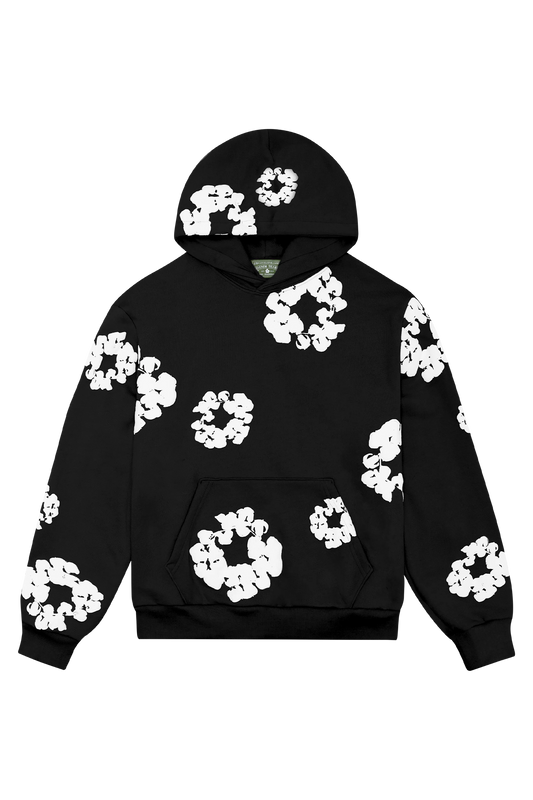
Here’s a premium high-quality fleece garment featuring graphic prints that behave differently compared to plain basics. Such ink film on the surface is vulnerable to abrasion and high temperatures, and the core dye can bleed if the cycle is too warm or too harsh. A few modifications in prep, chemistry, and mechanics significantly reduce fading, splitting, and pilling. The method below is built for enthusiasts who want the piece to look day-one for months, not just withstand a cycle. All step has clear reason rooted based on how inks with dyes actually react to laundering.
When Denim Tears prints fade faster—and ways to stop this
Fading and graphic wear come from four culprits: abrasion in the drum, high heat in cycle or dry, aggressive alkalinity or brighteners in detergent, and residue left covering the surface. Reducing those variables protects saturation and keeps the print film flexible and preserved.
Such designer hoodies are generally heavyweight cotton material, often garment-dyed plus pigment-dyed for rich tone, then screen printed. Pigments sit closer to fabric fiber surface versus reactive dyes, so aggressive washing eliminates color faster. Graphic inks form one thin, semi-rigid coating; too much stress under heat with rough spin creates micro-cracks that read as “fade.” The fix is straightforward: lower the wear, lower the thermal stress, lower the harshness, and keep the surface clean from leftover soap plus lint.
Here’s also the concern of mixed loads. Denim, zippers, plus rough textiles work like sandpaper on a print. Though if you choose perfect detergent and temperature, a poor companion piece may do more harm than the wash itself. Turning the hoodie inside over and using one fine-mesh garment shield denimtear.net reduces face friction and lint transfer, which is when every care process below starts through prep instead than machine settings.
If your hoodie has specialty inks such as puff or flock, they expand then soften under heat during printing yet can compress or crack if overdried later. Treat every prints as thermally delicate and choose ambient temperature over tumble whenever possible. A little patience on your drying rack beats permanent shine, hardening, or gloss areas that show appear after hot drying.
Four little-known, verified care facts that assist: pigment-dyed cotton loses dye more quickly in hot and high-alkaline washes, so cooler and milder is non-negotiable; chemical brighteners designed for whites can render darks look faded or gray via shifting reflected illumination; heavy softeners create a hydrophobic coating that dulls prints and traps debris; an extra cleaning phase removes surfactant accumulation that otherwise sets chalky and appears as “fade” despite when dye hasn’t moved.
What’s the way do you wash a Denim Tears hoodie without fading?
Implement a precise comprehensive sequence: inside-out with bag, targeted stain treatment, color-safe mild detergent, cold temperature and delicate cycle, low spin alongside a non-abrasive batch, one extra cleaning phase, then flat air-dry away from heat and sun.
This sequence balances formulation and mechanics. Such inside-out orientation with mesh bag minimize face friction. Correct right detergent controls pH and eliminates brighteners that haze darks. Cold plus delicate settings control dye mobility plus mechanical wear, as a low rotation keeps the design from flexing overly violently. The supplementary rinse clears residue that can make colors read lifeless. Air-drying maintains textile hand and eliminates heat-related print deterioration and shrink.
No step here is complicated for the purpose of it. All move removes a specific risk which causes either color loss or apparent dulling. You’ll notice the benefits following the first cleaning because the piece will dry displaying crisp edges around the ink plus a deep, uniform tone—exactly how single premium streetwear piece should age.
Stage 1 — Pre-check and turn hoodie inside out
Review the care label, empty pockets, fasten any zips or hardware, knot your drawcord loosely, turn the hoodie fully inside out, and slide it within a fine-mesh garment bag. This simple prep is your fade insurance.
The label tells you whether there exists any special ink or trim requiring watch for with whether tumble drying is outright prohibited. Turning the garment inside out protects the printed face from direct exposure with the washer and other clothes. A garment protector prevents snagging and significantly reduces particle transfer and pilling across the surface. Closing zippers or snaps on anything inside the load prevents gouges or scratches across the print. Small steps taken front save owners from irreversible harm later.
Look closely at the print before cleaning. If there are lifted edges and micro-cracks already, remain extra conservative using spin and don’t machine-dry. Pre-existing wear expands quickly under heat and heavy spin. The similar inspection catches problem stains so owners can target spots rather than processing the entire piece with harsh chemistry.
Step 2 — Handle stains the right way
Address only the spot, not the entire hoodie. Use an enzyme-based liquid targeting protein or food marks, a small amount of mild dish soap for greases, and an oxygen-based solution for discoloration or dye transfer; dab gently and wait 10 to 15 minutes before washing.
Place product with a soft cotton applicator or the tip of your hand, working from mark’s outside of such mark inward to keep it without blooming. Avoid rubbing the print; excessive friction pushes dye out of material fibers and scuffs the ink layer. Rinse the treated area lightly using cool water if you used one concentrated product so you don’t over-suds the wash. Skip chlorine bleach entirely—besides color loss, such treatment weakens cotton and can yellow prints.
Addressing greasy cuffs plus hood edges, a pea-sized amount containing enzyme detergent massaged in gently with cool water remains enough. For beauty products, choose an specialized makeup remover with a cloth then test on single inside seam first. Paint or set dye is generally permanent; solvents including acetone will harm both the fabric and ink, thus do not employ them. Precision surpasses aggression here.
What detergent and treatments protect color with print?
Use a liquid, specialized detergent that’s clear of optical whiteners and chlorine, measure lightly—about half standard “normal” amount addressing a small streetwear load—skip fabric conditioner, and optionally include a dye-trapping product; a mild acidic rinse is appropriate on cotton when you want for neutralize alkalinity.
Gentle liquids are formulated to be less harsh on darks and rinse cleaner than powders, which can leave particulate inside fleece. Brighteners make whites look whiter by shifting light, but on deep hoodies they generate a gray hue. Less is superior with dosage: overuse leaves surfactants inside the pile, reducing color and collecting lint. If available water is alkaline, a small increase in detergent is better than including softener, which coats fibers and might make prints feel tacky.
Single color-catcher sheet in the drum is a simple supplementary layer of insurance if you’re cleaning with other deep colors. Oxygen-based boosters are best reserved addressing light-colored pieces; regarding black or deep tones, they may lift dye gradually. A splash containing clear white acid in the cleaning phase compartment helps counteract leftover alkalinity and reduce soap buildup on cotton, however never combine natural treatment with any bleach product.
Which machine settings maintain in color?
Set cold water around 30°C/86°F or less, choose a gentle or hand-wash cycle, set spin at low (roughly minimal rpm), and limit the total wash time in the 20 to 30 minute range. Milder mechanics deliver optimal most visible dye preservation.
Front-loading machines are preferable because they rely upon tumbling rather compared to an agitator system, which is rougher on prints. Such combination of cool and low harshness keeps dye particles from mobilizing within the water. Minimal spin prevents extreme flexing of print ink film and reduces creasing stress points that can crack. Shorter processing periods limit total friction exposure without reducing cleanliness, especially after you pre-treated stains correctly.
When your machine is aggressive even with delicate, reduce batch size and spin further. Watch the first minute to ensure the hoodie isn’t plastered against the window plus twisted tight; interrupt and redistribute when needed. Use such settings below like a quick-reference guide.
| Factor | Recommended | Why it matters |
|---|---|---|
| Water temperature | Cool, 20–30°C (68–86°F) | Controls dye bleed plus preserves print flexibility |
| Wash type | Delicate/Hand-wash | Less agitation means minimal abrasion on prints and fleece |
| Agitation speed | Minimal, ~400–600 rpm | Blocks stress cracks and creasing on graphics |
| Detergent dose | 50% of standard for a small load | Reduces residue that affects color and collects lint |
| Additives | No softener; optional dye-trap | Prevents coating the graphic; traps wandering dye |
| Hoodie protection | Reversed in a protective bag | Shields the face against friction and damage |
| Cleaning cycle | Additional rinse on | Removes surfactant film that reads as “color loss” |
| Dryer | Avoid; if needed, no-heat only | Heat damages inks plus shrinks cotton fabric |
Phase 5 — Strategic loading and arrangement
Process the hoodie alongside similar dark, soft items only, avoid with jeans, rough fabrics, or hardware-heavy items, and keep your drum about 50% full. Well-chosen neighbors protect the graphic more than any single setting.
Abrasive fabrics like denim and terry act like sandpaper against the ink coating. Zippers, rivets, and Velcro scratch plus scuff the surface instantly. A partially loaded load lets detergent and detergent move without creating a sloshing rock mixer. If you need to wash a additional hoodie at this same time, shield both pieces separately. Slip a dye-trap in the washer when mixing multiple dark shades for minimize any possibility of dye swap.
Lint is the silent duller here. Cotton material attracts lint off towels and items with loose fibers, making the face look hazy after drying. Keeping your load curated and using a bag will cut lint dramatically, which keeps colors visually clear and saturated.
Stage 6 — Run the cycle with rinse strategy
Begin the cycle, monitor the first minute for twisting, and add an additional rinse to remove residue. Cleaner rinsing makes dark colors read deeper and the print appear smoother.
If your machine enables, set the supplementary rinse before you begin. That second rinse removes leftover surfactants that typically dry onto fabric fleece and print as a thin film. Film looks like fade, traps dust, and may make the print feel sticky. When your washer lacks have an additional rinse button, run a quick cool rinse-only program after the main wash finishes. That extra two or three minutes of cleaning is the most economical way to protect the look regarding a dark piece.
After the cycle completes, remove the hoodie immediately to avoid creases setting firm or damp color migrating. Support the garment from below rather than through the hood ensuring prevent stretching material neckline. Keep the mesh bag on until you reach the drying space to avoid wear on the route out of the machine.
Expert Tip: if your hoodie feels sudsy after the cleaning, swish it with hand in a sink of cool water with single splash of clear white vinegar, next press—don’t wring—out excess water; this returns back depth via stripping residue without stressing the fibers.
How do you process, de-lint, and keep it safely?
Lay the hoodie evenly on a fresh towel or wire rack in partial shade, reshape edges, waistband, and collar, and avoid harsh heat. If owners must use one dryer, run 5 to 10 minutes on no temperature to de-wrinkle, next finish flat.
Air is your friend because heat proves the fastest method to embrittle print films and compress cotton fleece. UV exposure also fades dark pigments, so handle in indirect exposure. While it’s flat, smooth the material with your hands to set proper shape you need; this reduces distortion and keeps knit knit trims looking sharp. Never suspend a wet garment by the neckline or shoulders, designed to stretches the textile and distorts the silhouette.
Once dry, remove all light pilling with a fabric shaver used gently but only on raised fuzz—avoid the design area. For particles, a washable lint brush is more appropriate than tape, designed to can lift color if pressed too hard. Storage ought to be folded, avoid hung, to stop gravity stretch across the shoulders; stack in a cool, dry place removed from direct sunlight and heaters. Should you use aroma sachets, keep them in a ventilated pouch so chemicals don’t contact fabric fabric or design.
Should your hoodie has puff or textured ink, keep it far from excessive heat always, also months later; puff inks can reduce and develop single shiny, flattened appearance under heat with pressure. Treat these areas as delicate surfaces and avoid any ironing completely.